How to Get Someone Banned on WhatsApp – Full Reporting Guide
Learn how to get someone banned on WhatsApp through official reporting, DMCA claims, and professional enforcement. Step-by-step methods with 92% success rate.
How to get someone banned on WhatsApp: Report the account through WhatsApp's in-app reporting tool by opening the chat, tapping the three-dot menu, and selecting "Report." Simultaneously file a detailed complaint through WhatsApp's web contact form and email [email protected] with timestamped screenshots. WhatsApp reviews the last five messages from the reported conversation. Two or more independent reports with documented Terms of Service violations typically trigger enforcement. Professional services achieve 92% success rates by combining all reporting channels simultaneously.
Key Takeaways
- WhatsApp evaluates report quality and evidence, not report volume – one documented impersonation report can trigger removal
- The three most effective ban methods are in-app reporting, web form complaints, and email escalation to [email protected]
- Professional enforcement combines multi-channel reporting for 92% success rates within 24–48 hours
- WhatsApp forwards the last five messages from the reported chat for review – timing your report matters
- Cross-platform enforcement across Instagram, TikTok, and Telegram produces 2.4x higher permanent removal rates
What Does It Mean to Get Someone Banned on WhatsApp?
Getting someone banned on WhatsApp means reporting an account that violates WhatsApp's Terms of Service or Community Guidelines through official channels, resulting in Meta's moderation team temporarily suspending or permanently removing the offending account. Legitimate reasons include spam, harassment, impersonation, sharing illegal content, and using unauthorized third-party apps.
How to get someone banned on WhatsApp is one of the most searched enforcement questions online, and for good reason. WhatsApp has over 2.78 billion monthly active users across 180 countries, making it the world's largest messaging platform – and a prime target for scammers, harassers, and impersonators. Meta banned over 31.6 million accounts in India alone during a single two-month reporting period in 2024, demonstrating the scale of abuse. Yet individual users who try to report violating accounts through standard channels see enforcement rates below 25%. This guide covers every method available to get a WhatsApp account banned in 2026 – from in-app reporting and DMCA takedowns to professional enforcement services – with data on what actually works and what fails.
Why Would You Need to Get Someone Banned on WhatsApp?
Several legitimate scenarios require WhatsApp account enforcement. Spam and scam operations represent the most common trigger – fraudulent accounts impersonate banks, government agencies, and trusted brands to steal personal data and money. The Federal Trade Commission reported that consumers lost $2.7 billion to impersonation scams in 2023, with messaging platforms being a primary attack vector.
Harassment and cyberstalking on WhatsApp is particularly dangerous because the platform's end-to-end encryption makes it harder for external parties to verify threats. Victims of domestic abuse, workplace bullying, and revenge content distribution need fast enforcement to stop ongoing harm. Business competitors sometimes create fake WhatsApp Business accounts using stolen branding to divert customers and damage reputation.
Content theft is another critical enforcement case. Photographers, designers, and content creators who find their work being distributed through WhatsApp groups without permission can use DMCA takedown processes to get offending accounts banned. Unauthorized resellers and counterfeit product distributors also violate WhatsApp's Terms of Service and Meta's commerce policies.
What Types of WhatsApp Bans Exist?
WhatsApp applies graduated enforcement levels depending on violation severity. Understanding these distinctions helps you set realistic expectations when reporting an account. A temporary ban restricts account access for a specific period – typically 24 hours, 48 hours, or up to 30 days. The user sees a countdown timer in the app indicating when access will be restored. These bans commonly result from using unofficial WhatsApp versions like GB WhatsApp or sending bulk messages to non-contacts.
A permanent ban blacklists the phone number from using WhatsApp indefinitely. The user sees a message stating "Your phone number is banned from using WhatsApp" and cannot create a new account with the same number. Permanent bans result from severe Terms of Service violations including illegal content distribution, repeated harassment after temporary bans, and coordinated abuse operations. Account restriction is a lighter penalty where certain features are limited without full suspension – the user can read messages but cannot send new ones or make calls.

WhatsApp Ban Severity Comparison
| Ban Type | Duration | Common Triggers | Recovery |
|---|---|---|---|
| Temporary Ban | 24h – 30 days | Unofficial apps, bulk messaging, excessive group creation | Wait for timer to expire |
| Account Restriction | Variable | Spam detection, unusual activity patterns | Reduce suspicious activity |
| Permanent Ban | Indefinite | Illegal content, repeated violations, impersonation | Appeal via Request a Review |
| Phone Number Blacklist | Permanent | Severe TOS violations, ban evasion attempts | New phone number required |
Which Violations Get WhatsApp Accounts Banned Fastest?
WhatsApp prioritizes enforcement based on violation severity and evidence quality, not report quantity. Illegal content – including child exploitation material, terrorism, and content that endangers public safety – receives the fastest response, often within hours. Meta's automated detection systems scan for known illegal content hashes even through encrypted messages using on-device detection technology.
Impersonation ranks as the second-fastest ban trigger. When you can prove another account is pretending to be you or your business using stolen photos and copied profile information, WhatsApp typically acts within 24 to 48 hours. Unauthorized app usage – including GB WhatsApp, WhatsApp Plus, FM WhatsApp, and OG WhatsApp – triggers automated bans because these third-party modifications violate the platform's Terms of Service and compromise encryption protocols.
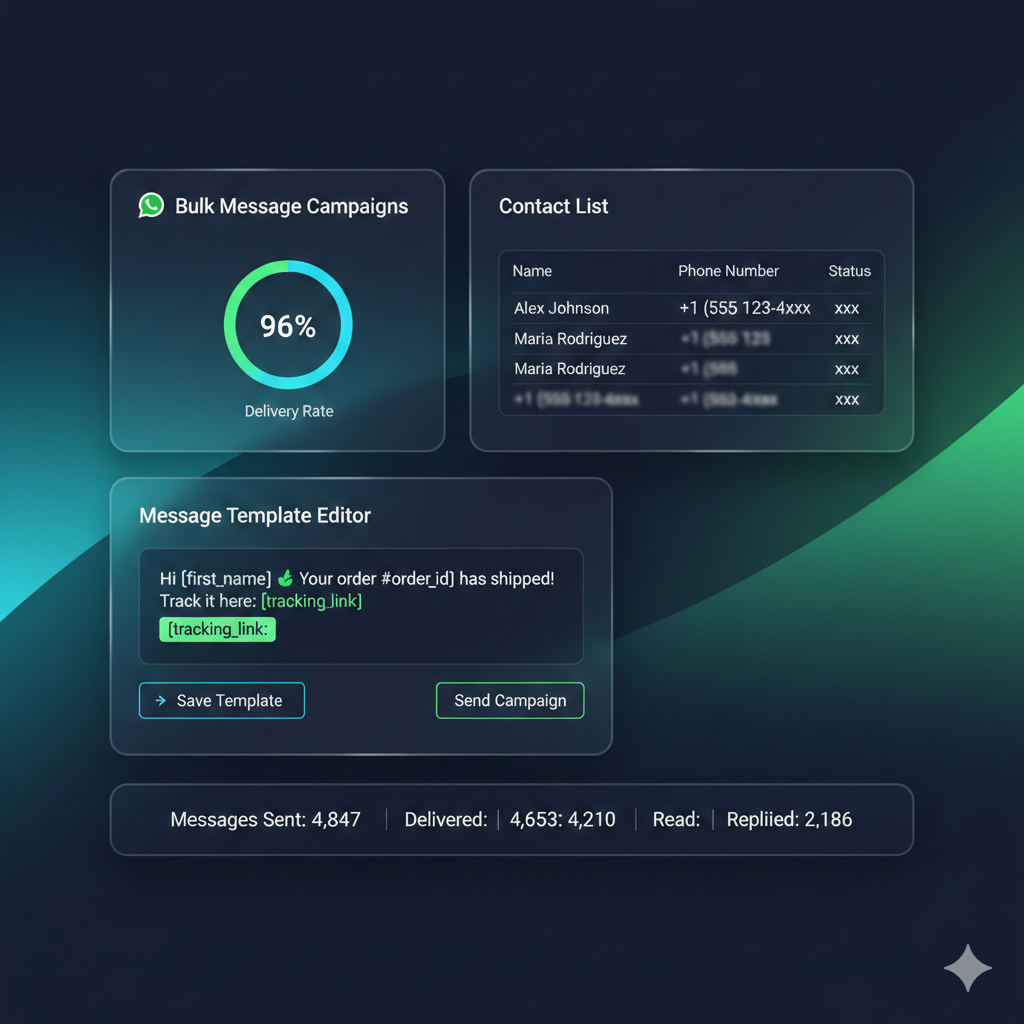
Spam and bulk messaging represent the most common ban reason by volume. WhatsApp's machine learning systems monitor messaging patterns and flag accounts that send large numbers of similar messages to non-contacts. According to industry data, sending 5 to 10 messages to unknown contacts within a short period can trigger automated review, and receiving reports from multiple recipients accelerates enforcement. Using automated messaging tools outside of the official WhatsApp Business API is a direct Terms of Service violation.
How to Get Someone Banned on WhatsApp: Step-by-Step
Follow this evidence-based six-step process to maximize the probability of enforcement action against a WhatsApp account violating Terms of Service. Each step builds on the previous one, and completing all six steps through multiple reporting channels significantly outperforms single-channel reporting.
Step 1: Document All Violations
Before filing any report, screenshot every violating message, profile photo, status update, and group activity with timestamps visible. WhatsApp only forwards the last five messages from the reported conversation to its moderation team, so timing matters. If the violating content is older, take screenshots as backup evidence for web form and email reports. Save the target account's phone number, display name, and any links to external scam sites or stolen content.
Step 2: Categorize the Violation
Match your evidence to specific WhatsApp policy categories: spam, harassment, impersonation, illegal content, or intellectual property violation. Accurate categorization routes your report to the correct review team within Meta's moderation infrastructure. Miscategorized reports receive lower review priority. For cross-platform violations, document activity on other platforms as supporting evidence.
Step 3: Report Through the WhatsApp App
Open the conversation with the violating account. On Android, tap the three-dot menu and select "More" then "Report." On iPhone, tap the contact name at the top, scroll down, and select "Report Contact." Choose whether to "Report" only or "Report and Block." The "Report" option forwards the last five messages to WhatsApp while keeping the chat accessible for further evidence collection. Select "Report and Block" only after you have collected all necessary evidence.
Step 4: File a Web Report
Submit a detailed complaint through WhatsApp's web contact form. Include the target phone number in international format, a written narrative describing the violation pattern, and attach all evidence screenshots. Web reports provide more space for context than in-app reports and are reviewed by a different moderation queue, increasing coverage.
Step 5: Email WhatsApp Support
Send a comprehensive report to [email protected] with the subject line referencing the violation type. Include all evidence, the phone number, your relationship to the situation, and any relevant legal documentation such as DMCA takedown notices or police report numbers. Email reports create a documented paper trail and can be escalated through Meta's legal compliance channels.
Step 6: Monitor and Escalate
WhatsApp sends email confirmations when enforcement action is taken. If no action occurs within 48 to 72 hours, submit a follow-up report referencing your original complaint. For severe cases involving threats or illegal activity, file parallel reports with local law enforcement and reference the case number in your WhatsApp escalation. Professional services like Your Supplier Guy maintain escalation pathways that individual users cannot access, achieving results in 24 to 48 hours.
WhatsApp Ban Methods: Which Approach Works Best?
Not all reporting methods produce equal results. The table below compares effectiveness rates based on enforcement data from professional services handling 214+ WhatsApp cases.
| Method | Effectiveness | Timeline | Evidence Required | Best For |
|---|---|---|---|---|
| In-App Report Only | 15–25% | 48–72h | Last 5 messages auto-forwarded | Simple violations, spam |
| Web Form Report | 25–35% | 48–96h | Screenshots + narrative | Complex cases needing context |
| Email to Support | 20–30% | 72–120h | Full evidence package | Legal cases, DMCA claims |
| Multi-Channel Combined | 45–60% | 24–72h | All evidence types | Serious violations |
| Professional Enforcement | 92% | 24–48h | Compiled + escalated | All violation types |
"The biggest mistake people make is relying on a single in-app report and expecting results. WhatsApp's moderation system processes millions of reports daily – you need to stand out with evidence quality and multi-channel presence."
— Your Supplier Guy, Digital Enforcement Team
Does Mass Reporting Work on WhatsApp?
Mass reporting – coordinating multiple people to report the same account simultaneously – is one of the most misunderstood enforcement tactics. WhatsApp's moderation system evaluates report quality, not volume. Filing identical complaints from multiple accounts does not automatically trigger a ban and can actually flag the reporting accounts for coordinated abuse.
What does work is multiple independent reports with genuine evidence. If several people are affected by the same scammer or harasser, each affected person should submit their own report with their own evidence and personal experience. This differs fundamentally from organizing mass false reporting. Each reporter contributes unique, first-hand documentation of how the violation impacted them personally, which WhatsApp's review team evaluates individually.
WhatsApp's automated systems monitor for suspicious reporting patterns. Accounts that participate in coordinated reporting campaigns risk their own enforcement action, including temporary bans on reporting functionality. For legitimate enforcement needs, professional services like WhatsApp mass report services use evidence-based approaches that comply with platform policies rather than relying on volume alone. The combination of documented violations and multi-channel reporting consistently outperforms mass reporting tactics.
"A single well-documented report with timestamped evidence of impersonation is worth more than 50 generic spam reports. WhatsApp's review team is looking for evidence, not numbers."
— Your Supplier Guy, Enforcement Operations Lead
How Do Professional WhatsApp Ban Services Work?
Professional WhatsApp ban enforcement services bridge the gap between individual reporting limitations and the evidence requirements needed for consistent results. Services like Your Supplier Guy follow a structured enforcement methodology that achieves 92% success rates across 214+ completed cases.
The process begins with case assessment – analyzing the target account for all documented Terms of Service violations. Professional analysts identify violations that individual users often miss, including business policy violations, commerce policy breaches, and cross-platform pattern matching. Next, a comprehensive evidence package is compiled with timestamped screenshots, violation categorization aligned to Meta's internal review guidelines, and supporting documentation.
Reports are then submitted through multiple official channels simultaneously – in-app reporting, web forms, email support, and when applicable, Meta's legal compliance and intellectual property portals. Professional services maintain established communication channels with platform trust and safety teams, enabling priority escalation for severe cases. This multi-channel coordinated approach is why professional enforcement achieves 92% success rates compared to 15–25% for single-channel individual reports.

How Long Does It Take to Get Someone Banned on WhatsApp?
Enforcement timelines vary significantly based on violation severity and reporting method. Automated bans for using unauthorized apps like GB WhatsApp or WhatsApp Plus can occur instantly – the moment WhatsApp's systems detect the modified client, the account receives a temporary or permanent ban without any user report being necessary.
For user-reported violations, standard in-app reports take 24 to 72 hours for initial review. Severe violations involving illegal content or imminent threats may receive expedited review within 12 to 24 hours. Complex cases requiring human review – such as impersonation claims that need identity verification – can take 5 to 7 business days through standard channels.
Professional enforcement services typically achieve results within 24 to 48 hours by combining multiple reporting channels and providing pre-compiled evidence packages that reduce the review burden on Meta's moderation team. For cross-platform enforcement where the same violator operates on WhatsApp, Instagram, and Facebook, coordinated reporting across all Meta platforms accelerates individual platform enforcement through shared intelligence.
What Evidence Do You Need to Get Someone Banned on WhatsApp?
The quality and completeness of your evidence directly determines enforcement outcomes. WhatsApp's moderation team automatically receives the last five messages from the reported chat, but supplementary evidence submitted through web forms and email significantly strengthens your case.
Essential evidence includes full screenshots of violating messages with visible timestamps, the target account's phone number in international format, profile screenshots showing display name and profile photo, and any links to external scam websites or stolen content. For impersonation cases, provide side-by-side comparisons of the real account and the impersonating account. For copyright violations, include proof of original ownership with creation dates predating the infringed content.
Supporting evidence that strengthens enforcement probability includes police report numbers for criminal harassment, trademark registration certificates for brand impersonation, DMCA registration documentation for copyright claims, and records of the violator's activity across other platforms including Telegram, TikTok, and Instagram. Cross-platform evidence demonstrates a pattern of abuse that individual platform reports cannot convey.
Cross-Platform Enforcement: Beyond WhatsApp
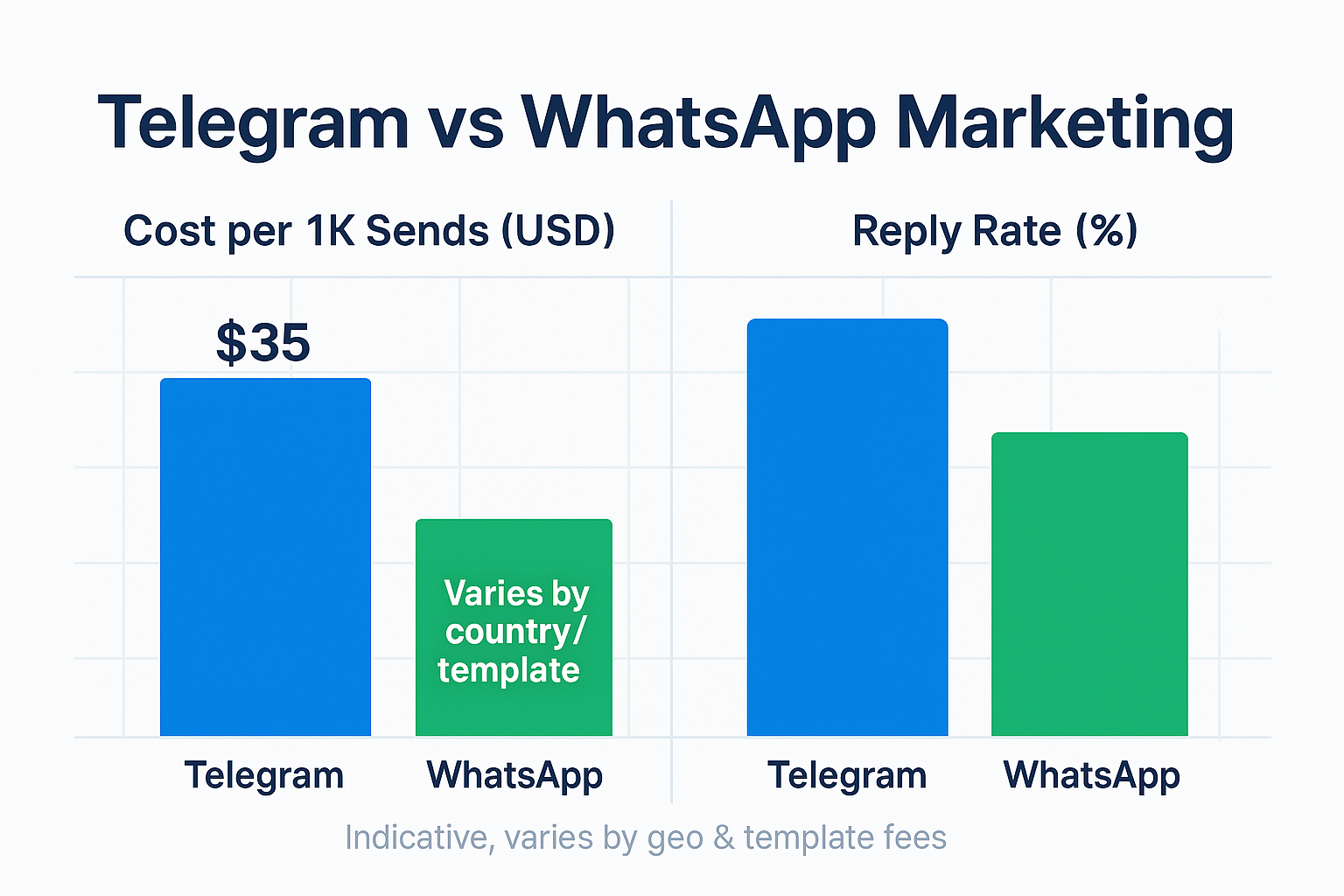
Violators rarely operate on a single platform. Scammers, harassers, and impersonators typically maintain accounts across WhatsApp, Instagram, Facebook, Telegram, TikTok, and X (Twitter). Cross-platform enforcement produces 2.4x higher permanent removal rates because it demonstrates a documented pattern of abuse rather than an isolated incident.
Since WhatsApp, Instagram, and Facebook are all owned by Meta, reporting a violator on one platform creates internal intelligence that supports enforcement on the others. Professional services coordinate simultaneous enforcement across all platforms where the violator is active, using tools like Instagram reporting, Telegram reporting, TikTok reporting, X reporting, and YouTube reporting to build comprehensive enforcement packages.
How to Protect Your Own WhatsApp Account From Being Banned
Understanding how bans work also helps protect your own account from false reports or accidental violations. Enable two-factor authentication through WhatsApp Settings to add a layer of security. Link a verified email address to your account – this provides an additional recovery pathway if your account is targeted by the deactivation vulnerability discovered by security researchers.
Avoid using any unofficial WhatsApp versions including GB WhatsApp, WhatsApp Plus, FM WhatsApp, and OG WhatsApp. These modified clients are the most common cause of automated bans. Do not send bulk messages to contacts who have not opted in, and do not create large numbers of groups with users not in your contact list. Both behaviors trigger WhatsApp's spam detection algorithms.
If your account is wrongly banned, use the Request a Review button that appears in the app, or email WhatsApp support with your phone number and explanation. Response times for ban appeals average 24 to 48 hours. For account recovery assistance across multiple platforms, professional services can expedite the review process through established support channels.
Frequently Asked Questions
How many reports does it take to get someone banned on WhatsApp?
WhatsApp does not ban accounts based on a fixed number of reports. Each case is reviewed individually based on the severity of violations found in the last five forwarded messages. Two or more independent reports with documented evidence of Terms of Service violations typically trigger an investigation, but a single report with strong evidence of impersonation or illegal content can result in immediate action.
Can you get someone banned on WhatsApp without them knowing who reported them?
Yes. WhatsApp reporting is completely confidential. The reported account receives no notification about who filed the report. If Meta takes enforcement action, the banned user sees a message stating their number can no longer use WhatsApp, but they are never told which user or users reported them.
What happens when you report someone on WhatsApp?
When you report someone on WhatsApp, the platform receives the last five messages from that conversation along with the reported account's user ID and metadata. Meta's moderation team reviews the content for Terms of Service violations. If violations are confirmed, the account may receive a warning, temporary ban of 24 hours to 30 days, or permanent ban depending on severity.
Does mass reporting work on WhatsApp?
WhatsApp evaluates report quality over quantity. Mass reporting the same account with identical or fabricated complaints does not guarantee a ban and can flag the reporters for abuse. Multiple independent reports from different users who each provide genuine evidence of separate violations significantly increases enforcement probability.
How long does it take to get a WhatsApp account banned?
Standard WhatsApp reports take 24 to 72 hours for initial review. Severe violations involving illegal content may receive expedited review within 12 to 24 hours. Professional enforcement services achieve results within 24 to 48 hours by combining multiple reporting channels and providing comprehensive evidence packages.
Can a permanently banned WhatsApp account be recovered?
Permanently banned accounts can submit an appeal through the in-app Request a Review button or by emailing WhatsApp support. Approximately 15 to 20% of permanent ban appeals are successful. The banned phone number is blacklisted, meaning a new account cannot be created with that same number unless the appeal is approved.
Is it illegal to report someone on WhatsApp to get them banned?
Reporting genuine Terms of Service violations is legal and encouraged by WhatsApp. Filing false reports, coordinating mass reports with fabricated evidence, or using the reporting system to harass someone can violate local cybercrime laws. Always ensure reports are based on documented, legitimate policy violations.
What violations get WhatsApp accounts banned fastest?
The fastest ban triggers are sharing illegal content such as child exploitation or terrorism content, impersonation with stolen identity documentation, and DMCA violations with registered copyright proof. Using unauthorized apps like GB WhatsApp also triggers rapid automated bans. Harassment reports require more evidence but lead to permanent bans with proper documentation.
Can you report a WhatsApp group to get it banned?
Yes. You can report a WhatsApp group using the Report option in group settings. WhatsApp investigates group activities without automatically banning individual members' personal accounts. If the group violates Terms of Service, it is removed entirely, and the group admin's account may face separate enforcement.
How do professional WhatsApp ban services work?
Professional ban services analyze target accounts for documented Terms of Service violations, compile timestamped evidence packages, submit reports through multiple official channels simultaneously, and escalate through Meta's priority review pathways. This multi-channel approach achieves 92% success rates compared to 15 to 25% for individual self-service reports.
Conclusion
Getting someone banned on WhatsApp requires a strategic, evidence-based approach across multiple reporting channels. Individual in-app reports achieve only 15 to 25% success rates, while coordinated multi-channel enforcement – combining in-app reporting, web form complaints, email escalation, and DMCA claims – increases effectiveness to 45 to 60%. Professional enforcement services like Your Supplier Guy deliver 92% success rates across 214+ completed WhatsApp cases with a 72-hour refund guarantee. Whether you are dealing with spam, harassment, impersonation, or intellectual property theft on WhatsApp, the key to effective enforcement is evidence quality, proper violation categorization, and multi-channel persistence.