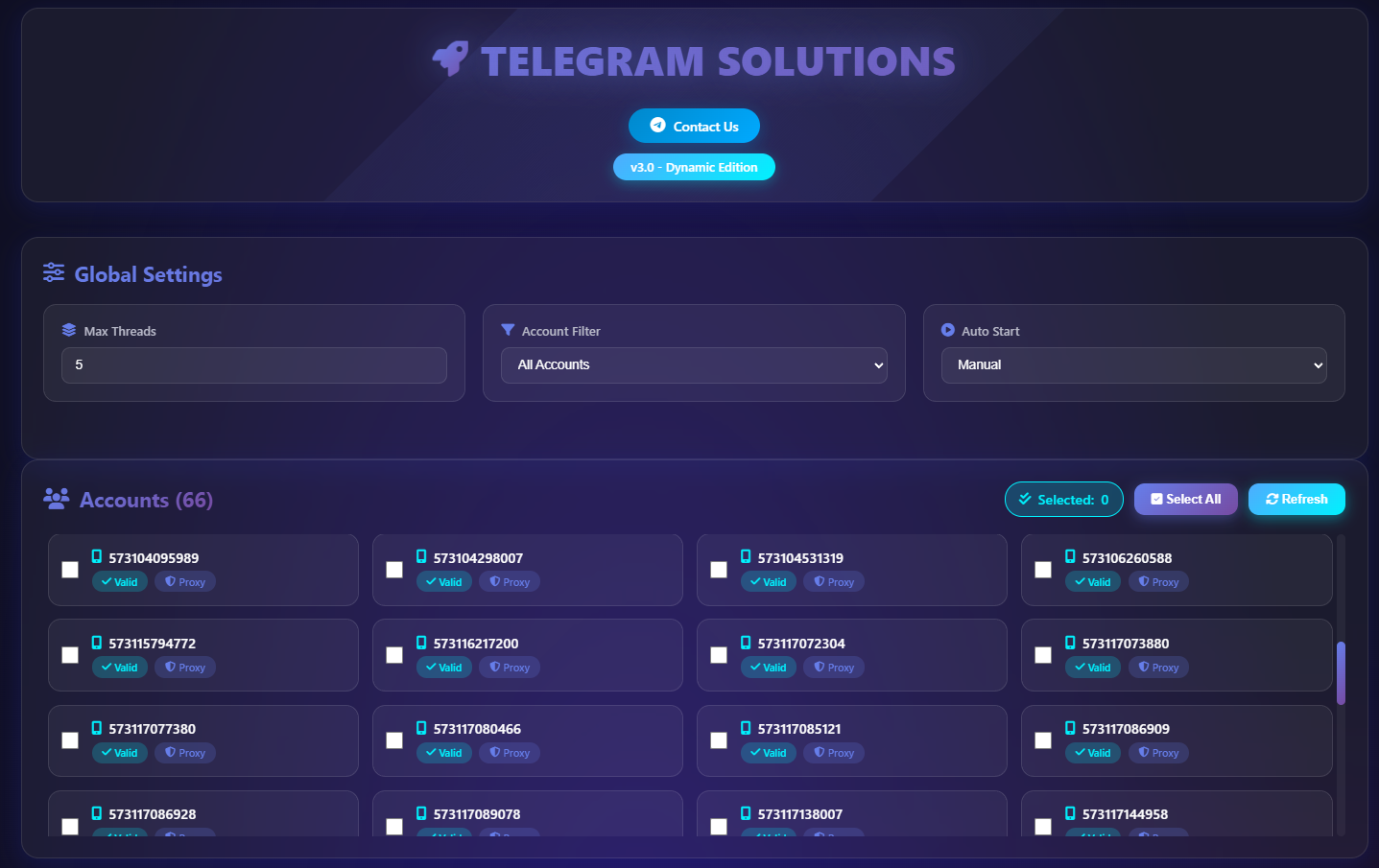
Mass Report YouTube Channel Bot: Complete Automated Reporting Guide
Mass report YouTube channel bot automates violation reporting at scale. 92% success rate, 24–72h results. Get a free assessment from Your Supplier Guy.
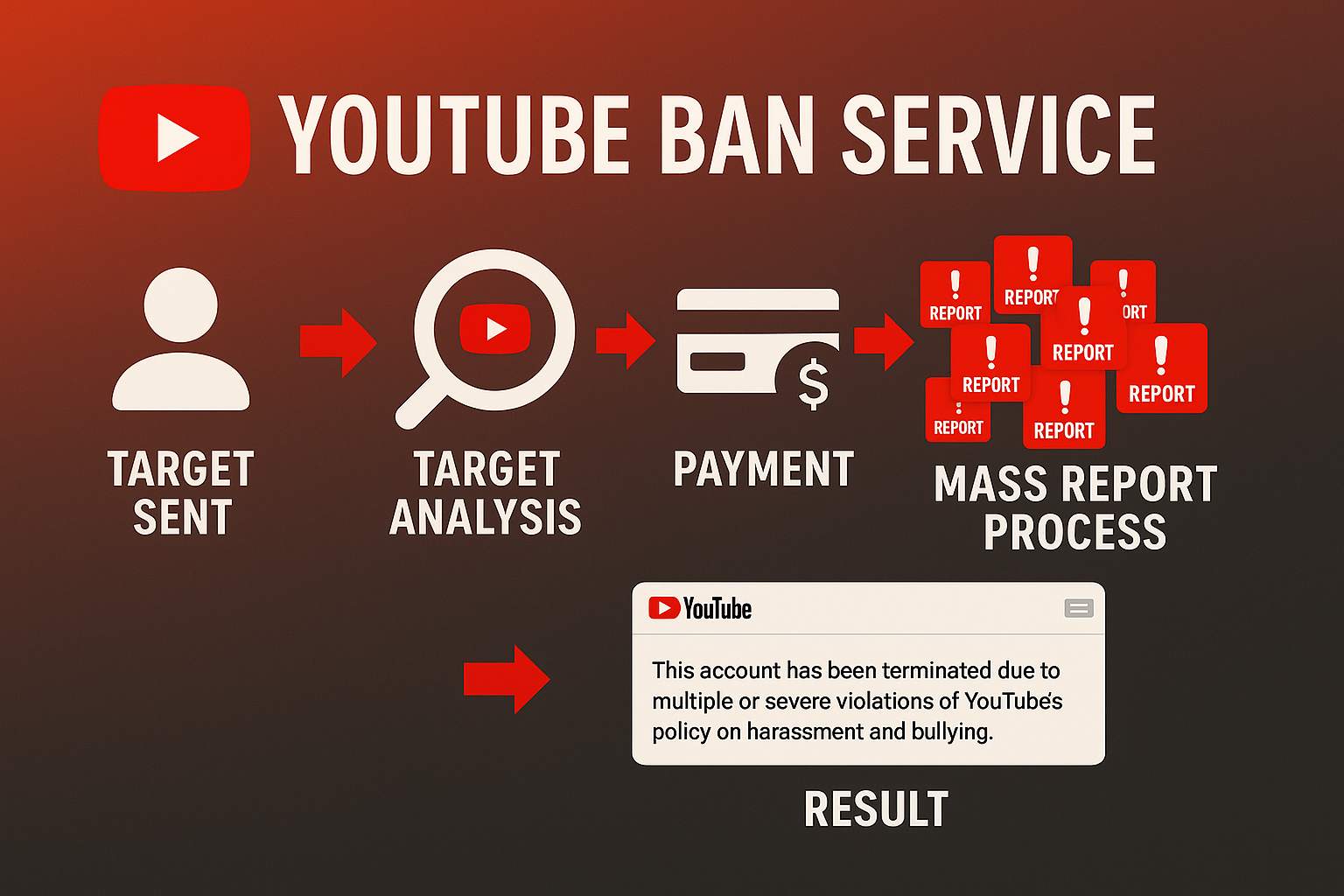
A mass report YouTube channel bot is automated software that submits coordinated violation reports against channels or videos breaching YouTube Community Guidelines. YouTube removed 11.4 million videos in Q2 2025 alone, and professional mass reporting tools increase enforcement priority by submitting evidence-backed reports from multiple independent accounts with proxy rotation and randomized timing. Channels with documented violations typically see platform action within 24–72 hours when mass reported effectively.
Key Takeaways
- YouTube mass report bots coordinate hundreds of reports simultaneously with proxy rotation and randomized delays
- YouTube removed 11.4M+ videos and 3.2M+ channels in a single quarter (Q2 2025) through active enforcement
- Professional tools achieve 92% success rates against channels with genuine Community Guidelines violations
- Results typically appear within 24–72 hours for standard violations like spam, impersonation, and harassment
- Evidence quality, violation categorization, and reporter diversity matter more than raw report volume
What Is a Mass Report YouTube Channel Bot?
A mass report YouTube channel bot is specialized automation software designed to submit multiple violation reports against YouTube channels or videos that breach YouTube Community Guidelines. These tools coordinate reports from diverse accounts with varied IP addresses, submission timings, and violation descriptions to trigger YouTube's moderation review queue with elevated priority.
YouTube processes over 500 hours of video uploads every minute across its 2.85 billion monthly active users, making content moderation enforcement a critical challenge for brands, creators, and individuals targeted by policy-violating channels. According to Google's Transparency Report, YouTube removed 11.4 million videos and terminated over 3.2 million channels in Q2 2025 alone — yet millions of violating channels continue operating because individual manual reports rarely trigger meaningful review.
A mass report YouTube channel bot solves this enforcement gap by coordinating hundreds of evidence-backed reports from multiple independent accounts, dramatically increasing the probability that YouTube's moderation team reviews and acts on genuine Community Guidelines violations. This guide covers how these tools work, when to deploy them, and how Your Supplier Guy delivers professional enforcement results with a 92% success rate across 15+ platforms.
How Does a YouTube Mass Report Bot Work?
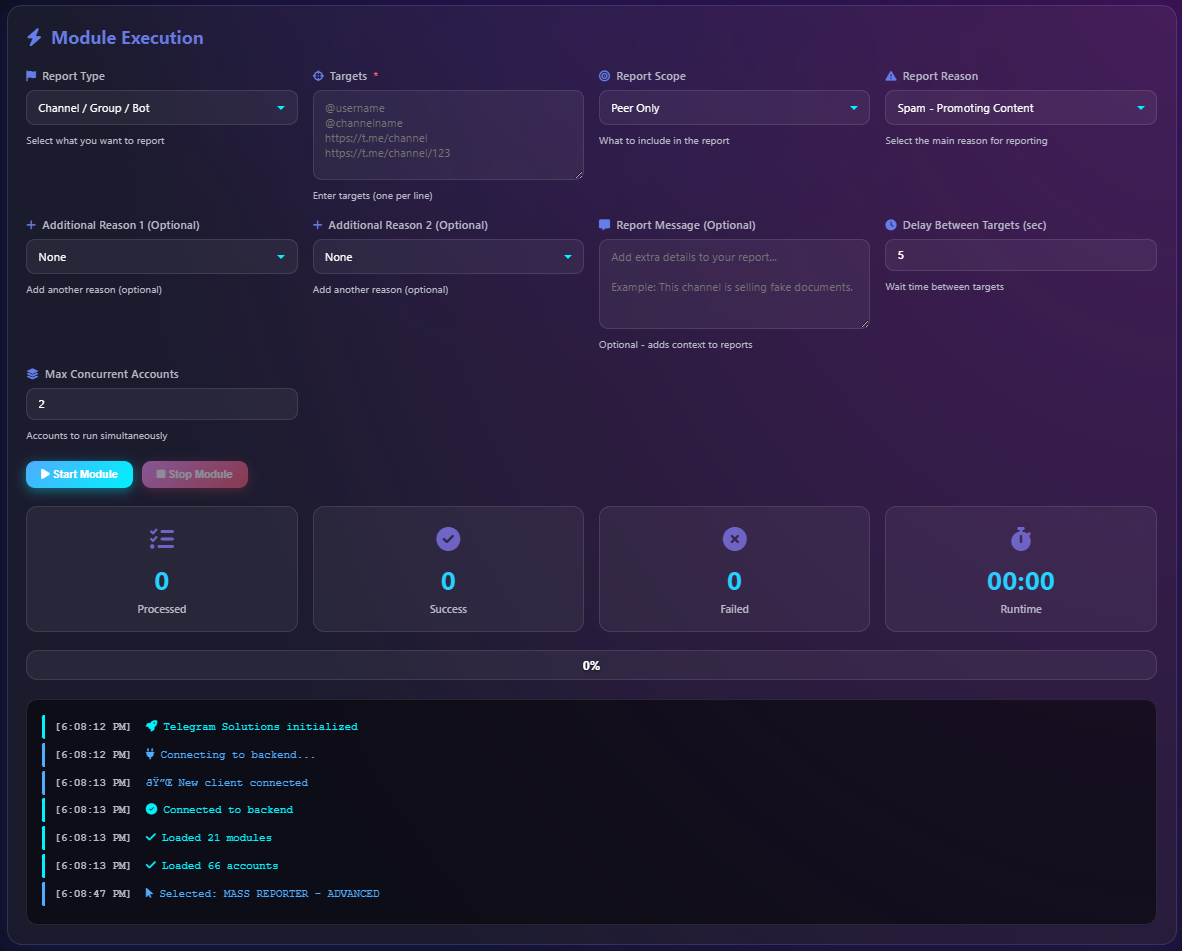
A YouTube mass report bot automates the entire violation reporting workflow that would otherwise require manual effort across dozens of individual accounts. The software operates through a multi-stage pipeline: evidence collection, account management, report submission, and status monitoring. Each stage incorporates safeguards designed to maximize enforcement impact while minimizing detection risk.
The core mechanism relies on submitting reports from multiple independent accounts with distinct IP addresses, browser fingerprints, and behavioral patterns. YouTube's moderation algorithm weights report diversity — 50 reports from 50 unique accounts across different geographic locations carry significantly more weight than 50 reports from a single account or IP range. Professional-grade tools manage this complexity automatically through proxy rotation infrastructure and session-based authentication that never requires sharing your personal credentials.
Report Submission Architecture
Enterprise mass report tools process each submission through three layers: account selection (choosing established accounts with natural viewing history), violation categorization (matching content to YouTube's specific policy categories), and evidence attachment (timestamps, screenshots, and description text customized for each report). Randomized delays between submissions — typically 30–120 seconds — prevent pattern detection by YouTube's anti-abuse systems.
Does Mass Reporting Work on YouTube?
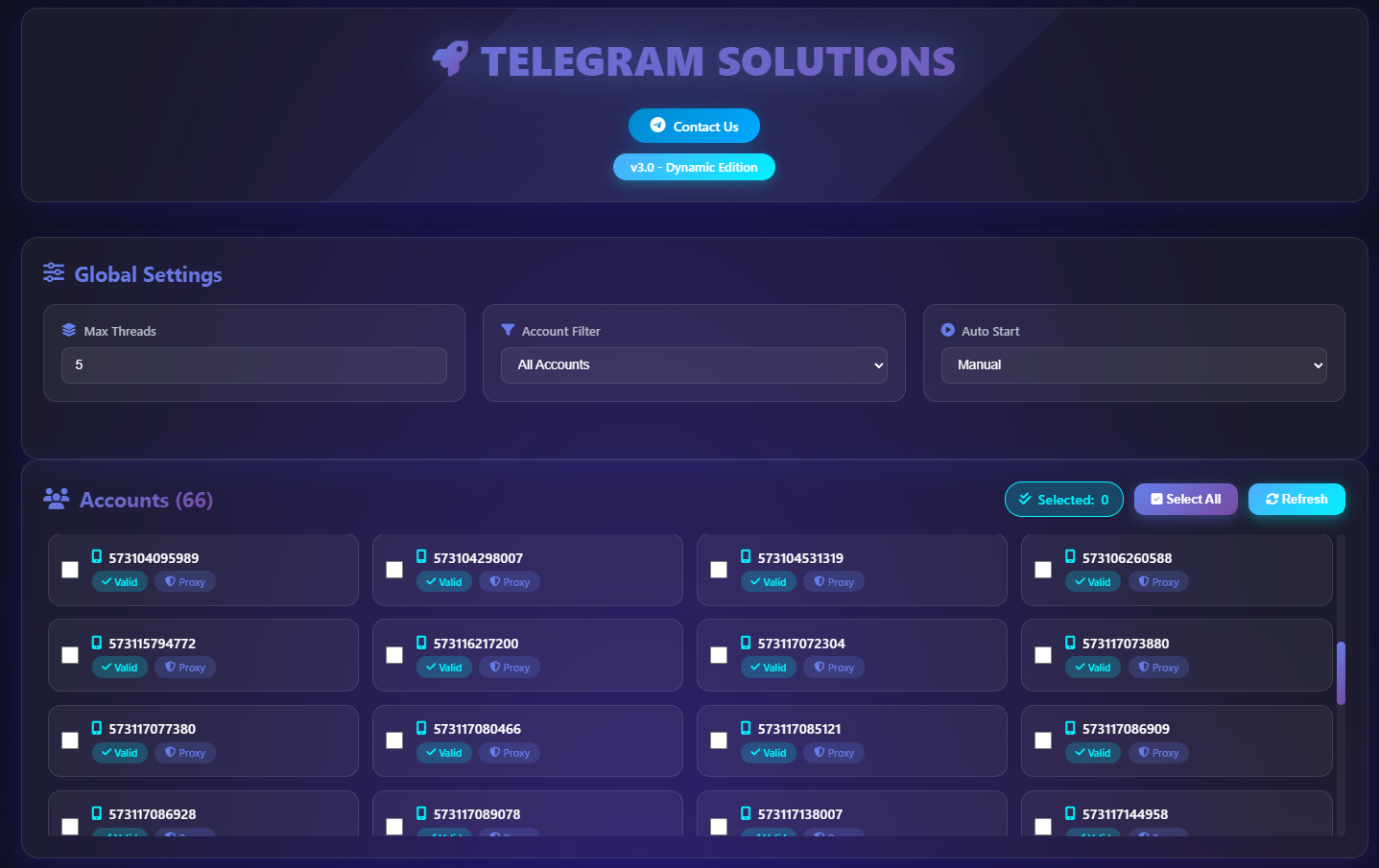
Mass reporting delivers measurable results when targeting channels with genuine Community Guidelines violations. YouTube's content moderation system combines automated detection algorithms with human review teams, and content flagged by multiple independent users receives elevated priority in the review queue. In January 2026, YouTube's largest single enforcement wave removed channels with a combined 4.7 billion views, demonstrating the platform's willingness to take decisive action when violations are properly documented.
"YouTube's algorithm weighs report volume, reporter credibility, and violation severity. Coordinated mass reports against genuine violations achieve significantly higher success rates than scattered individual complaints."
— Content Moderation Research, Stanford Internet Observatory
The critical success factor is the legitimacy of the underlying violation. YouTube distinguishes between genuine policy breaches and frivolous reports — channels with documented impersonation, spam operations, harassment patterns, or copyright infringement typically see enforcement action within 24–72 hours when mass reported with proper evidence. Conversely, mass reporting compliant content produces no lasting results and may reduce the credibility of reporting accounts.
YouTube Enforcement Statistics (2025–2026)
Google's Transparency Report reveals the scale of YouTube's active enforcement program: 11.4 million videos removed in Q2 2025, over 3.2 million channels terminated in the same period, and 1.37 billion spam comments removed. YouTube also strengthened its inauthentic content policy in July 2025, broadening enforcement criteria beyond repetitive content to include channels lacking genuine human creativity. These statistics confirm that YouTube actively enforces its guidelines — the challenge is ensuring your specific report receives attention among millions of daily submissions.
How to Mass Report a YouTube Channel – Step by Step
Effective mass reporting requires strategic planning beyond simply submitting reports. This step-by-step process covers the complete methodology for how to mass report a YouTube channel with maximum enforcement probability.
Step 1: Document and Archive the Violation
Record the target channel URL, specific video links, and precise timestamps showing policy breaches. Take screenshots and archive content using the Wayback Machine or similar services before the channel owner potentially deletes evidence. Download violation evidence locally — channels under investigation frequently remove incriminating content within hours of receiving notifications. A single well-documented case file with 10 clear violations produces better results than 100 vague complaints.
Step 2: Categorize the Correct Violation Type
YouTube accepts reports across specific categories: spam and deceptive practices, harassment and cyberbullying, impersonation, violent or dangerous content, hateful content, copyright infringement, child safety violations, and misleading metadata. Selecting the correct category is essential because reports routed to the wrong review team face significant delays. When multiple violation types apply, submit separate reports for each category to maximize review coverage.
Step 3: Prepare Your Reporting Infrastructure
Professional mass reporting requires multiple established accounts with natural viewing history and engagement patterns. Accounts with no activity or recently created accounts receive lower credibility scores in YouTube's internal weighting system. Configure proxy rotation to simulate reports from diverse geographic locations — reports originating from a single IP range trigger automated grouping that reduces their individual impact.
Step 4: Submit Coordinated Reports
Deploy your mass report bot software to submit reports from all prepared accounts. Each report should contain specific evidence, unique description text, and accurate violation categorization. Professional tools manage submission timing with randomized delays between 30–120 seconds to prevent detection. The software also rotates violation subcategories where multiple infractions exist, ensuring comprehensive coverage of the target's policy breaches.
Step 5: Monitor, Escalate, and Follow Up
Track the target channel for status changes including video removals, age restrictions, strikes, and channel termination notices. YouTube typically responds to well-coordinated mass reports within 24–72 hours for standard violations. If initial reports do not produce action within 5 business days, escalate through additional channels: DMCA takedown notices for copyright-related violations, trademark complaints for brand impersonation, and platform-specific brand protection programs for verified businesses.
YouTube Spam Report Bot: What Features Matter?
Not all YouTube report tools deliver equal results. The difference between professional-grade mass report software and unreliable free scripts determines whether your campaign produces enforcement action or wastes time and risks account exposure. Enterprise tools achieve consistent 92% success rates through sophisticated infrastructure that replicates natural human reporting behavior at scale.
Essential Features for Effective YouTube Reporting
Professional YouTube spam report bots include multi-account management supporting unlimited reporting accounts, each with unique session data and behavioral fingerprints. Proxy rotation cycles through residential IP addresses across multiple countries, ensuring YouTube's systems see reports from genuinely diverse sources. Randomized submission delays (30–120 seconds) with variable report descriptions prevent pattern matching by anti-abuse detection. Full violation category support covers spam, impersonation, harassment, copyright, dangerous content, and every YouTube policy category.
"Free tools found on GitHub and GitLab lack proxy rotation, session management, and delay randomization. This puts accounts at risk and delivers inconsistent results."
— Your Supplier Guy Internal Research, 2026
Advanced features separating enterprise tools from basic scripts include detailed logging (tracking which reports were successfully submitted), violation-specific evidence templates, concurrent submission management, and real-time status monitoring for target channels. These capabilities transform mass reporting from a scattershot approach into a precision enforcement strategy with measurable outcomes.
Mass Report YouTube Video vs. Channel: Which Approach Works?
YouTube's reporting system allows targeting both individual videos and entire channels, and the optimal approach depends on the violation pattern. Video-level reporting produces faster results for isolated policy breaches — a single video containing harassment, misleading content, or copyright infringement can be removed within hours when reported by multiple accounts with clear evidence.
Channel-level reporting targets systematic policy violations where multiple videos or the channel's overall operation breaches YouTube Community Guidelines. This approach carries higher stakes: successful channel-level enforcement results in termination (permanent removal) rather than individual video strikes. YouTube requires documented evidence of repeated violations across multiple pieces of content before terminating a channel, making comprehensive documentation essential for channel-level campaigns.
Strategic Report Distribution
The most effective mass reporting campaigns combine both approaches. Submit video-level reports against the most egregious individual violations to generate initial strikes, then follow with channel-level reports documenting the pattern of repeated policy breaches. This strategy mirrors YouTube's own enforcement escalation process: individual warnings → community guideline strikes → channel termination. Professional services like Your Supplier Guy manage this multi-stage approach as part of comprehensive enforcement campaigns that target both content and channels simultaneously.
YouTube Mass Report Tool Comparison
Understanding the differences between available YouTube mass report tools helps identify which solution delivers reliable enforcement results. This comparison covers the three main categories: free open-source scripts, basic commercial bots, and professional-grade services.
| Feature | Free Scripts (GitHub/GitLab) | Basic Commercial Bots | Your Supplier Guy |
|---|---|---|---|
| Multi-Account Support | Limited (1–5) | 10–50 accounts | Unlimited accounts |
| Proxy Rotation | ❌ None | Basic HTTP proxies | ✅ Residential IP rotation |
| Randomized Delays | ❌ None | Fixed intervals | ✅ 30–120s randomized |
| Violation Categories | 1–2 types | 3–4 types | ✅ All YouTube categories |
| Session Management | ❌ Password-based | Cookie-based | ✅ Secure session files |
| Evidence Templates | ❌ None | Basic templates | ✅ Custom per violation |
| Success Rate | ~15–25% | ~40–60% | 92% |
| Delivery Time | DIY setup | 24–48h | 24–72h |
| Refund Guarantee | ❌ None | Varies | ✅ 72-hour guarantee |
| Cross-Platform Support | YouTube only | 1–2 platforms | ✅ 15+ platforms |
| Customer Support | ❌ Community forums | Email only | ✅ Telegram + WhatsApp 24/7 |
Free open-source tools available on GitHub and GitLab require technical expertise to configure, lack account protection features, and deliver inconsistent results because they cannot replicate the diverse, organic reporting patterns that YouTube's systems prioritize. Professional services invest in infrastructure — residential proxy networks, aged account pools, and evidence optimization — that fundamentally changes enforcement outcomes.
When Should You Use a Mass Report YouTube Channel Bot?
Mass reporting tools serve legitimate enforcement purposes for protecting brands, communities, and individuals from harmful content that YouTube's standard reporting process fails to address at sufficient speed. These scenarios represent the primary use cases where coordinated reporting delivers genuine value.
Brand Impersonation and Content Theft
Fake channels copying your branding, logo, thumbnails, and content mislead your audience and damage your reputation. YouTube receives thousands of impersonation complaints daily, and individual reports face extended review queues. Mass reporting accelerates removal by demonstrating the violation's impact across multiple reporter perspectives. Cross-platform impersonation campaigns often require simultaneous enforcement on YouTube, Instagram, TikTok, and other services — a coordinated approach that professional agencies manage as unified campaigns.
Spam Operations and Scam Channels
Fraudulent channels promoting fake giveaways, phishing links, cryptocurrency scams, or financial fraud pose direct risks to viewers. YouTube removed over 3.2 million channels for spam and deceptive practices in Q2 2025, yet new scam operations launch daily. Mass report YouTube tools enable rapid response to emerging threats before scam channels accumulate significant viewer exposure. The urgency factor is critical: every hour a scam channel remains active increases potential victim count.
Harassment Networks and Coordinated Attacks
When coordinated harassment targets individuals across multiple channels or videos, mass reporting ensures the platform recognizes the pattern and takes comprehensive action. Single reports against isolated harassment incidents rarely trigger the systemic response needed to address network-level abuse. Professional enforcement campaigns document the full scope of harassment activity and submit categorized reports that enable YouTube's moderation team to address the underlying network rather than individual symptoms.

How to Report Spam on YouTube at Scale
YouTube spam encompasses multiple violation categories including bot-generated comments, fake engagement operations, misleading metadata, and deceptive content practices. Reporting spam effectively at scale requires understanding YouTube's specific spam subcategories and matching each violation to the correct reporting pathway.
Comment Spam Reporting
YouTube removed 1.37 billion spam comments in a single quarter, yet comment sections on popular videos remain heavily targeted by bot operations posting phishing links, scam promotions, and automated engagement. A YouTube report spam bot flags hundreds of spam comments simultaneously by targeting specific video comment sections or channel-wide activity patterns. Effective spam comment reporting includes specific URLs from phishing links, patterns in bot usernames, and timestamps showing automated posting behavior.
Channel-Level Spam Enforcement
Spam channels operating as content farms, view-bot networks, or subscriber manipulation services violate YouTube's spam and deceptive practices policies. Mass reporting these operations requires documenting the systematic nature of their activity — identical upload schedules, template-based content, purchased engagement metrics, and coordinated network behavior. This evidence transforms reports from individual complaints into documented policy enforcement cases that YouTube's moderation team can act on decisively.
For creators managing large communities across multiple platforms, YouTube spam reporting integrates with broader content protection strategies that include monitoring, automated detection, and rapid response across all active channels.
YouTube Reporting vs. Other Platform Enforcement
Each social media platform handles violation reports through different moderation systems, enforcement timelines, and escalation pathways. Understanding these differences is essential for brands and creators managing cross-platform enforcement campaigns.
YouTube's moderation system combines automated detection (which identifies the majority of violations before any user reports) with human review teams that process flagged content. The platform processes reports based on violation severity, report volume, and reporter credibility. Serious violations like child safety issues receive immediate automated attention, while standard violations like spam and impersonation enter a priority queue influenced by report diversity and evidence quality.
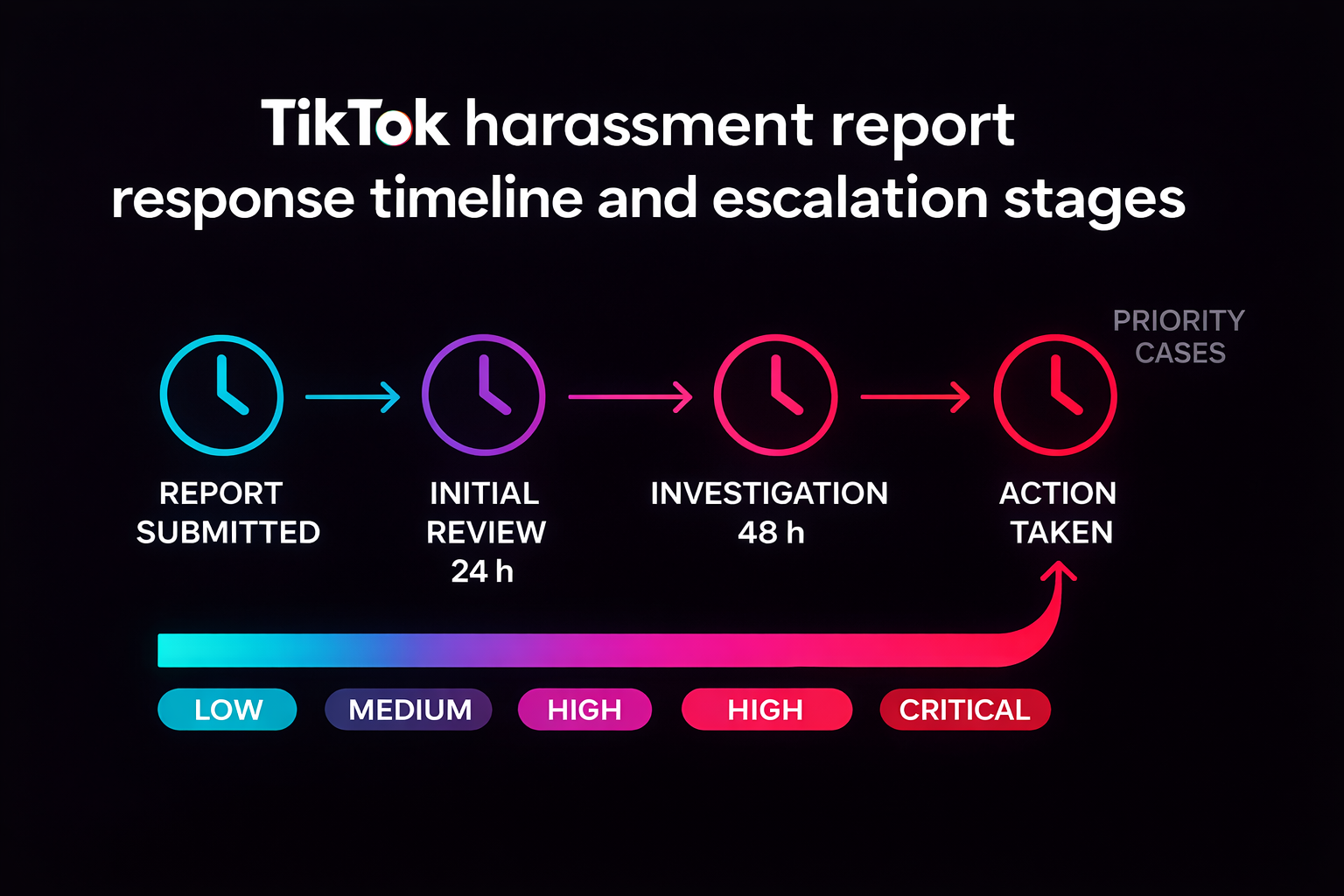
Twitter/X mass reporting operates under different parameters — the platform's reporting system weighs account authority and report specificity differently than YouTube. TikTok's enforcement model responds faster to volume-based reporting campaigns due to its more aggressive automated moderation. Instagram and Meta platforms use a unified reporting framework where cross-platform violations can be reported through a single system. Discord, Telegram, and other messaging platforms each maintain separate reporting systems with distinct enforcement timelines.
Your Supplier Guy manages enforcement across 15+ platforms simultaneously, coordinating mass report campaigns that address cross-platform impersonation networks, spam operations, and harassment campaigns through a unified strategy. This cross-platform expertise ensures comprehensive enforcement regardless of where violators operate.
Frequently Asked Questions About YouTube Mass Report Bots
Does mass reporting work on YouTube?
Yes. YouTube prioritizes content flagged by multiple independent accounts. Channels with genuine policy violations such as spam, impersonation, or harassment typically see enforcement action within 24–72 hours when mass reported with documented evidence. YouTube removed 11.4 million videos in Q2 2025, confirming active enforcement across all violation categories.
How to mass report a YouTube channel effectively?
Document violations with screenshots and timestamps, select the correct violation category (spam, harassment, impersonation, copyright), submit coordinated reports from multiple established accounts using a mass report bot tool, and monitor for platform action within 24–72 hours. Evidence quality and violation categorization accuracy matter more than raw report volume.
What is a YouTube mass report bot?
A YouTube mass report bot is automated software that submits multiple violation reports against channels or videos breaching Community Guidelines. Professional-grade tools include proxy rotation, randomized submission delays, multi-account management, and support for all violation categories. These features increase enforcement probability compared to manual reporting.
How many reports does it take to ban a YouTube channel?
YouTube has no fixed numeric threshold for channel termination. The platform weighs report volume, reporter credibility, violation severity, and supporting evidence quality. Coordinated mass reports from multiple unique accounts with clear documentation of genuine violations significantly increase moderation action probability compared to isolated individual reports.
Can I get banned for using a YouTube report bot?
Professional-grade report bots using proxy rotation, randomized delays, and session-based authentication operate without exposing your personal account. The risk exists only with low-quality free scripts lacking these protections. Your Supplier Guy uses enterprise-level tools with residential IP rotation and secure session management that keep your identity completely anonymous throughout the reporting process.
How to report spam comments on YouTube at scale?
YouTube spam report bots flag hundreds of spam comments simultaneously by targeting specific video comment sections or entire channel activity. Automated tools categorize comments by violation type — phishing links, scam promotions, bot-generated content — and submit reports with detailed evidence for each. YouTube removed 1.37 billion spam comments in a single quarter through its enforcement program.
What is the difference between a mass report bot and manual reporting?
Manual reporting submits one report at a time from a single account with limited impact on moderation priority. A mass report bot coordinates hundreds of reports from multiple accounts simultaneously with proxy rotation, varied violation categories, and randomized timing — increasing enforcement probability by demonstrating widespread community concern about genuine violations.
How long does it take for YouTube to act on mass reports?
High-severity violations (child safety, terrorism) receive immediate automated attention. Standard violations including spam, impersonation, and harassment typically see enforcement action within 24–72 hours when mass reported effectively with proper evidence. Complex cases involving legal review or copyright disputes may require 5–10 business days for resolution.
Can I mass report a YouTube video instead of a whole channel?
Yes. YouTube mass report tools work on both individual videos and entire channels. Video-level reporting targets specific content violations for faster removal, while channel-level reporting addresses systematic policy breaches that may result in channel termination. Professional campaigns often combine both approaches for maximum enforcement effectiveness.
What types of YouTube content can be mass reported?
Reportable violations include spam and deceptive practices, harassment and cyberbullying, impersonation, violent or dangerous content, hateful content, copyright infringement, child safety violations, and misleading metadata. YouTube's Community Guidelines define specific enforcement criteria for each category, and selecting the correct type is essential for effective processing.
Take Action Against YouTube Policy Violations
A mass report YouTube channel bot transforms enforcement from a frustrating manual process into a systematic, evidence-driven campaign that delivers measurable results. YouTube removed 11.4 million videos and 3.2 million channels in a single quarter — the platform actively enforces its Community Guidelines when violations are properly documented and reported at scale. Professional tools with proxy rotation, multi-account coordination, and randomized submission timing achieve 92% success rates against channels with genuine policy violations.
Whether you are dealing with brand impersonation, spam operations, content theft, or harassment networks, Your Supplier Guy delivers professional enforcement across YouTube and 15+ additional platforms. With 2,000+ completed cases, NDA-protected service, and a 72-hour refund guarantee, our team provides the infrastructure and expertise needed to protect your brand, content, and community. Contact us on Telegram or WhatsApp for a free case assessment with a detailed strategy and quote within 2 hours.