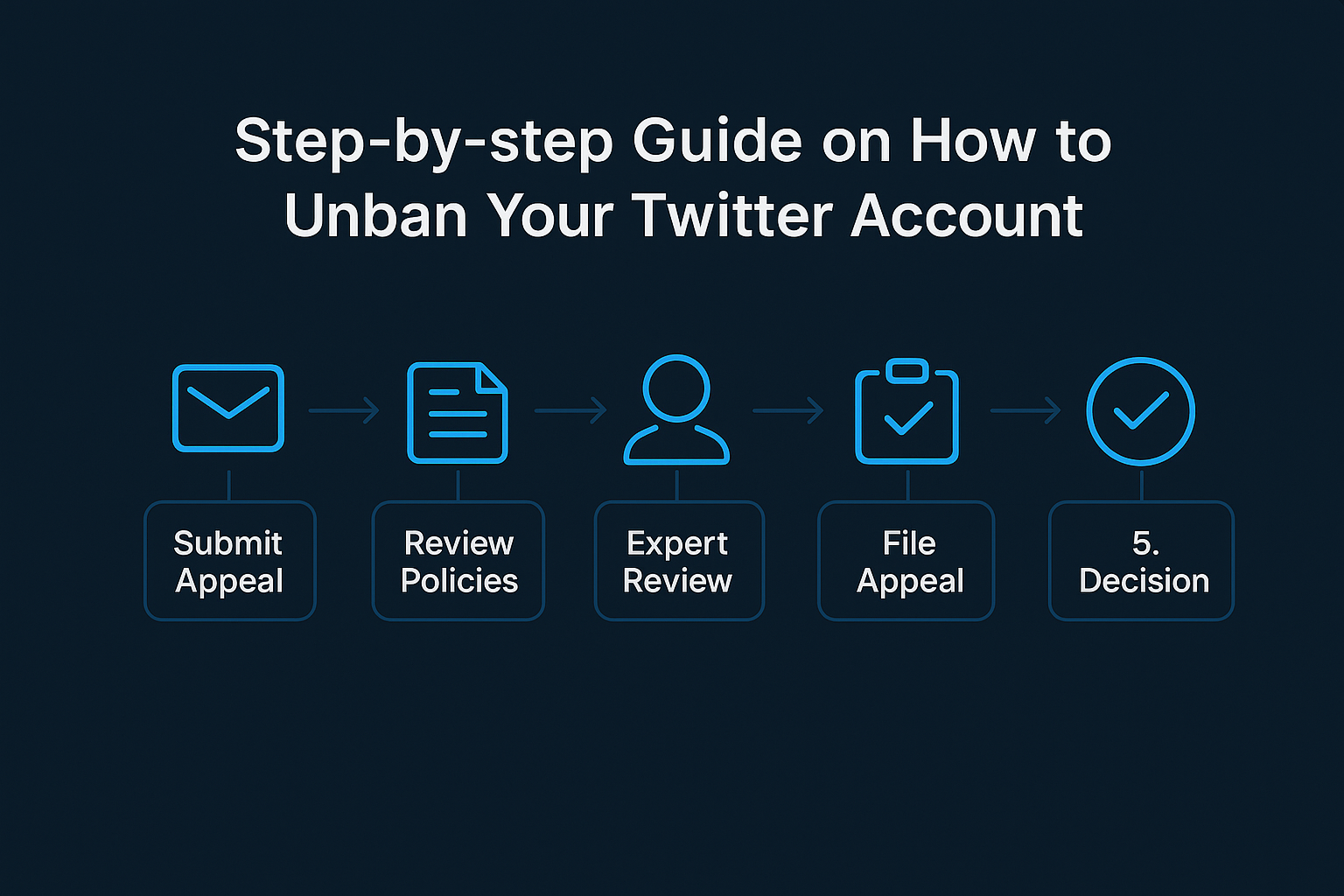
How to Get Someone Banned on Twitter (X): Complete Reporting and Enforcement Guide
Learn how to get someone banned on Twitter/X with evidence-based reporting. Step-by-step process, violation categories, and professional enforcement options.
Quick Answer
To get someone banned on Twitter (now X), document the rule violations with screenshots and URLs, report individual tweets through the three-dot menu, report the entire account through their profile, and submit a policy-specific complaint through X's dedicated reporting forms. X suspended 5.3 million accounts in the first half of 2024 alone. Professional enforcement services achieve 92% success rates compared to approximately 30% for individual reports.
Key Takeaways
- X evaluates report quality and evidence, not volume — a single well-documented report can trigger suspension
- Zero-tolerance violations (child exploitation, terrorism, direct threats) result in immediate account removal
- Policy-specific complaint forms at X Help Center produce faster results than in-app reports
- Professional enforcement services achieve 92% success rates through multi-path evidence-based reporting
- All reports are 100% anonymous — X never discloses reporter identity
What Does It Mean to Get Someone Banned on Twitter?
Getting someone banned on Twitter (X) means reporting their account or content for violating X's Rules and policies, which triggers a review by X's Trust and Safety team. If the violations are confirmed, the account faces enforcement actions ranging from content removal and temporary locks to permanent suspension.
Twitter (now rebranded as X) suspended 5.3 million accounts in the first half of 2024, a 231% increase from 1.6 million suspensions during the same period in 2022. Despite this surge in enforcement, getting a specific harmful account banned remains challenging for individual users. X's content moderation system relies heavily on user reports, but the process requires understanding which violations trigger action, how to document evidence effectively, and when to escalate beyond standard reporting. This guide covers every method available to get someone banned on Twitter — from in-app reporting to professional enforcement services that achieve 92% success rates across 15+ platforms.
How Does Twitter's Enforcement System Work?
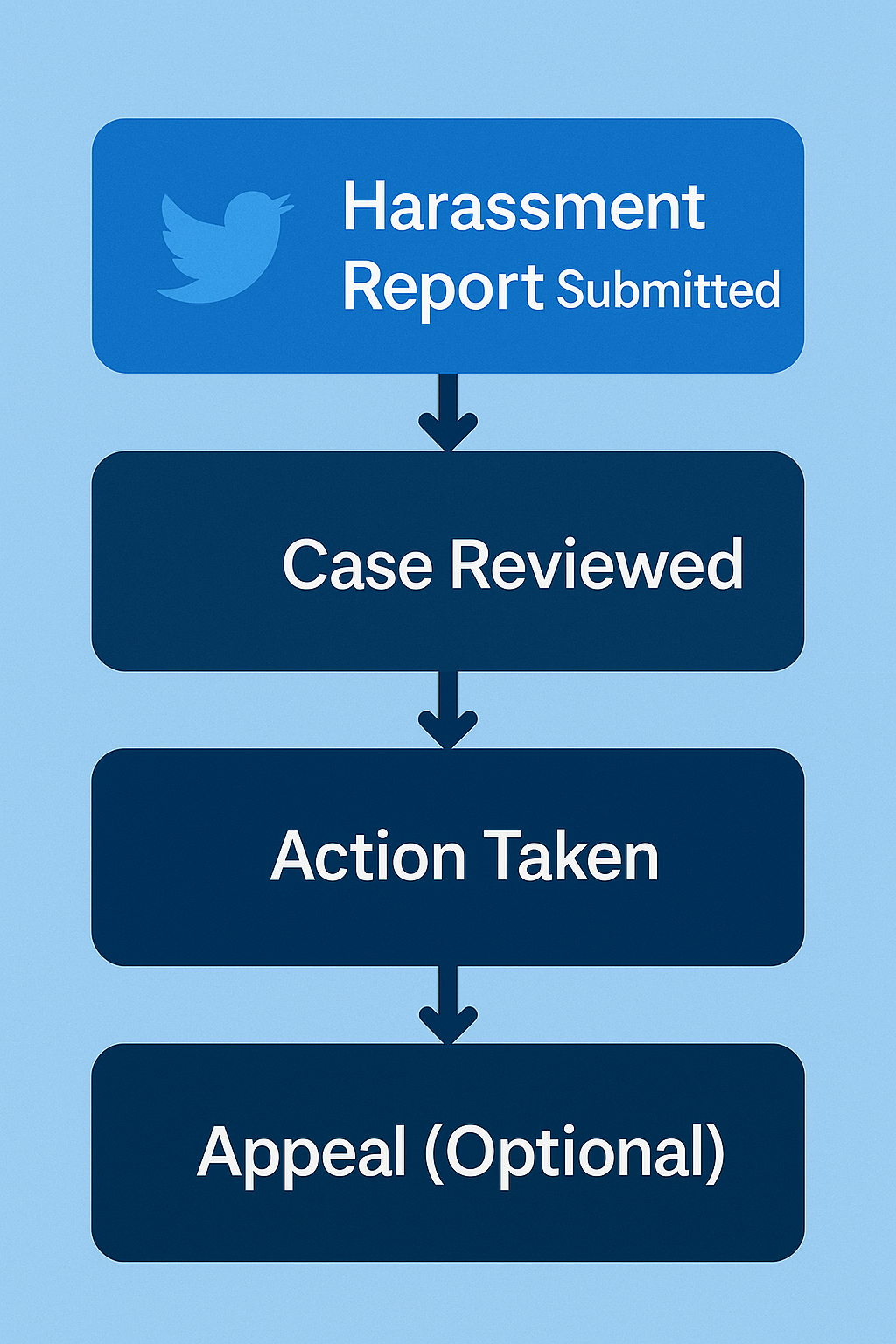
X operates a layered enforcement model combining automated detection, human moderation, and user-reported violations. When an account violates X's Rules, the platform can apply four enforcement tiers: post-level enforcement (content removal, visibility limiting, labeling), direct message-level enforcement, account-level enforcement (read-only mode, temporary lock, permanent suspension), and legal compliance actions for court-ordered removals.
Understanding how to get someone banned on Twitter starts with recognizing that X does not simply count reports. The platform evaluates report validity, violation severity, the reporter's account standing, and pattern behavior. A single report from a credible account with strong evidence can outweigh dozens of reports without documentation. X's content moderation team processes millions of reports monthly, prioritizing cases involving immediate safety threats.
Account-level enforcement — the most severe action — occurs when X determines a user has engaged in repeated policy violations or committed a single violation serious enough to warrant permanent removal. According to X's transparency report, spam accounts accounted for 464 million suspensions in the same reporting period, separate from the 5.3 million policy-based suspensions.
What Violations Get You Banned on Twitter?
Not all rule violations carry equal weight. X categorizes violations into zero-tolerance offenses that trigger immediate suspension and graduated offenses that accumulate toward enforcement. Understanding these categories is essential for filing reports that produce results.
Zero-Tolerance Violations (Immediate Suspension)
Child sexual exploitation material, terrorism promotion, direct threats of violence, and non-consensual intimate imagery (NCII) result in immediate account removal with no warnings. X's automated systems scan for these categories proactively, and a single confirmed report triggers permanent suspension within minutes to hours.
High-Priority Violations (24–72 Hour Response)
Impersonation of individuals or organizations, doxxing (sharing private information including home addresses, phone numbers, or email addresses), coordinated harassment campaigns, and fraud or phishing schemes receive priority review. Actress Rose McGowan's 12-hour suspension in 2017 for including a private phone number demonstrates how seriously X treats privacy violations.
Graduated Violations (Accumulative Enforcement)
Hate speech, targeted harassment, spam behavior, platform manipulation, copyright infringement, and misleading content receive warnings and escalating enforcement. Multiple violations within a short period accelerate the path to permanent suspension. X's policy states that accounts with "repeated violations of our policies" face suspension, though the company has never specified exactly how many warnings precede a ban.
Step-by-Step: How to Report and Ban a Twitter Account
Getting someone banned on X requires a structured approach that maximizes the impact of your report. Follow these five steps in order for the highest probability of enforcement action.
Step 1: Document All Violations Before Reporting
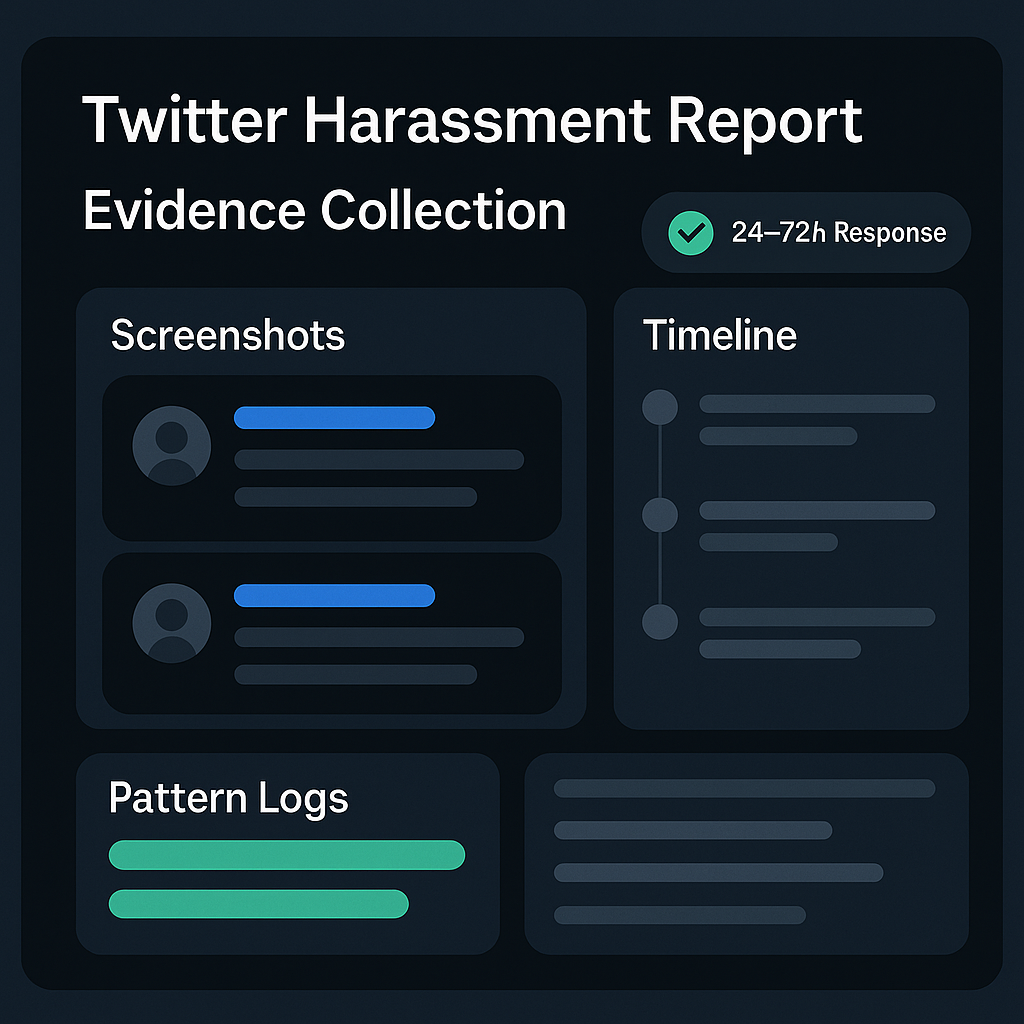
Before filing any report, collect screenshots of harmful tweets with timestamps, URLs to every offending post, video screen recordings if the content may disappear, and records of any direct messages containing threats. Save everything locally — accounts under investigation frequently delete evidence. This evidence documentation step is the foundation that separates successful reports from ignored ones.
Step 2: Report Individual Tweets
Click the three-dot menu (⋯) on each violating tweet, select "Report post," choose the violation category that best matches the behavior, and provide additional details when prompted. Reporting individual posts creates a documented pattern that X's moderators can review. Report at least 3 to 5 separate violations to establish a clear pattern of harmful behavior.
Step 3: Report the Entire Account
Navigate to the violator's profile, click the three-dot menu, select "Report @username," and choose the category that aligns with the overall behavior pattern. Account-level reports signal to X that the problem is systemic rather than a single isolated incident, which increases the likelihood of account-level enforcement rather than just content removal.
Step 4: Submit a Policy-Specific Complaint
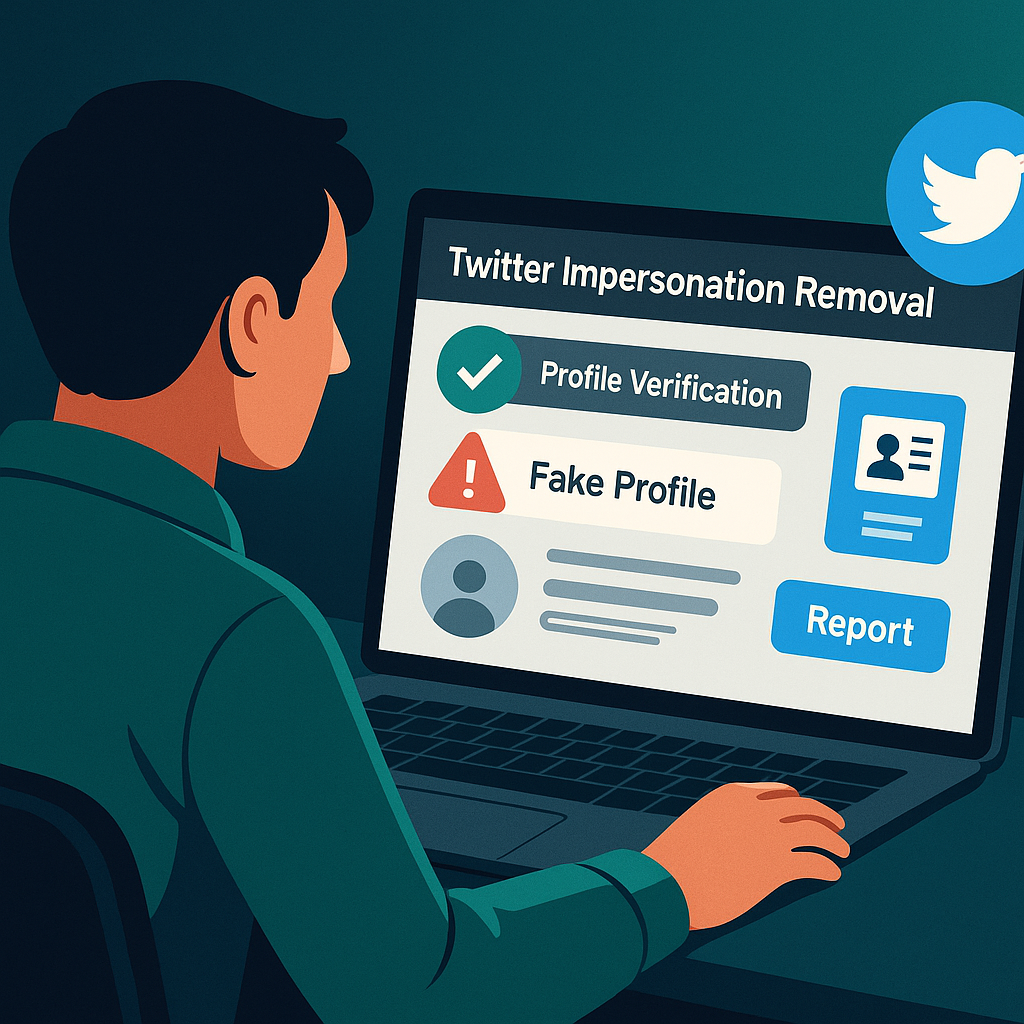
X offers dedicated reporting forms for specific violation types that receive faster review than in-app reports. Use the privacy violation form for doxxing, the impersonation form for fake accounts, and the trademark/copyright form for IP violations. These forms route directly to specialized teams rather than the general moderation queue.
Step 5: Escalate with Supporting Evidence
If initial reports receive no action within 72 hours, consider asking other affected users to submit independent reports. Multiple reports from different credible accounts strengthen the enforcement signal. For persistent cases, professional enforcement services provide escalation pathways that individual reporters cannot access.
How to Document Evidence for a Twitter Ban Report
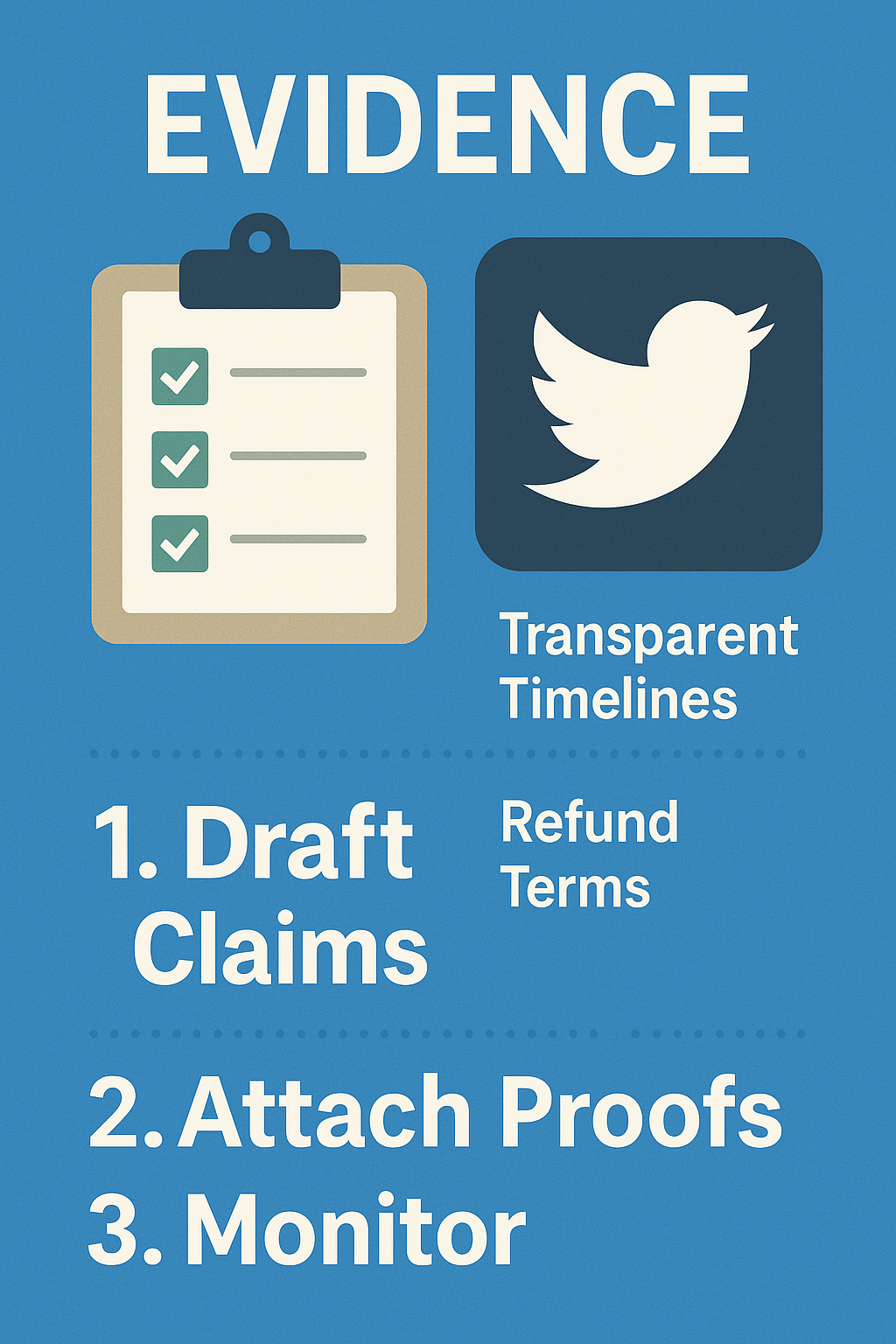
Evidence quality determines whether X acts on your report. The difference between a successful ban report and a dismissed one is almost always the documentation. Professional enforcement teams compile evidence dossiers that mirror legal standards, but individual reporters can apply the same principles.
Capture full-page screenshots that include the account username, timestamp, and post content in a single frame. Use browser extensions or screen recording tools to create video evidence of ongoing harassment. Save the direct URL of every violating tweet — X's moderators review the original content, not screenshots. If the violation involves private information disclosure, document the connection between the posted information and the victim. For impersonation cases, prepare side-by-side comparisons of the fake account and the authentic profile.
"When an account engages in abusive behavior, like sending threats to others or impersonating other accounts, we may suspend it temporarily or, in some cases, permanently."
— X Help Center, Official Enforcement Policy
Store all evidence in a dated folder with a log file that maps each piece of evidence to the specific X Rule it violates. This organized approach mirrors how professional mass report tools structure enforcement campaigns and dramatically improves your report's credibility with X's Trust and Safety team.
Which X Reporting Forms Should You Use?
X provides seven specialized reporting pathways beyond the in-app report button. Each form routes to a different moderation team with specialized training, which explains why form-based reports typically receive faster responses than standard in-app reports.
For DMCA takedown requests, X is legally obligated to respond within 48 hours under the Digital Millennium Copyright Act. This makes copyright-based reports one of the fastest and most reliable enforcement pathways. If the violating account is using your content, images, or brand identity, the DMCA complaint process is the strongest tool available to individual reporters.
How Many Reports Does It Take to Get Banned on Twitter?
One of the most common questions about how to get someone banned on X is whether there is a magic number of reports that triggers suspension. The short answer: there is no fixed threshold. X has never publicly disclosed a report count that automatically triggers enforcement. According to X's own documentation, the platform evaluates "the severity of the violation" and "the context in which the content was posted" rather than simply counting incoming reports.
A single report can lead to permanent suspension if the violation is severe — child exploitation content, terrorism, or direct threats of imminent violence. Conversely, hundreds of reports may produce no action if the reported content does not actually violate X's Rules. This is why coordinated mass reporting campaigns without genuine evidence often fail while a single well-structured enforcement campaign succeeds.
What matters more than report count is report quality. Each report should include the specific rule violated, direct URLs to offending content, evidence of pattern behavior (multiple violations over time), and documentation of real-world harm. Professional ban enforcement services achieve 92% success rates by focusing on evidence quality rather than report volume.
"When an account engages in abusive behavior, we may suspend it temporarily or permanently. We consider the severity and whether someone has a history of violating our policies."
— X Safety, Account Suspension Policy
DIY Reporting vs. Professional Twitter Ban Service
Understanding the difference between individual reporting and professional enforcement helps you choose the right approach for your situation. The comparison below breaks down key factors across both methods.
Individual reporting works well for clear-cut zero-tolerance violations where the evidence is obvious. Professional ban enforcement services become essential for complex cases involving impersonation, coordinated harassment, defamation, or accounts that have survived previous reports. The multi-path approach — combining in-app reports, policy-specific forms, DMCA complaints, and direct escalation — produces results that single-channel reporting cannot achieve.
How Does a Professional Twitter/X Ban Service Work?
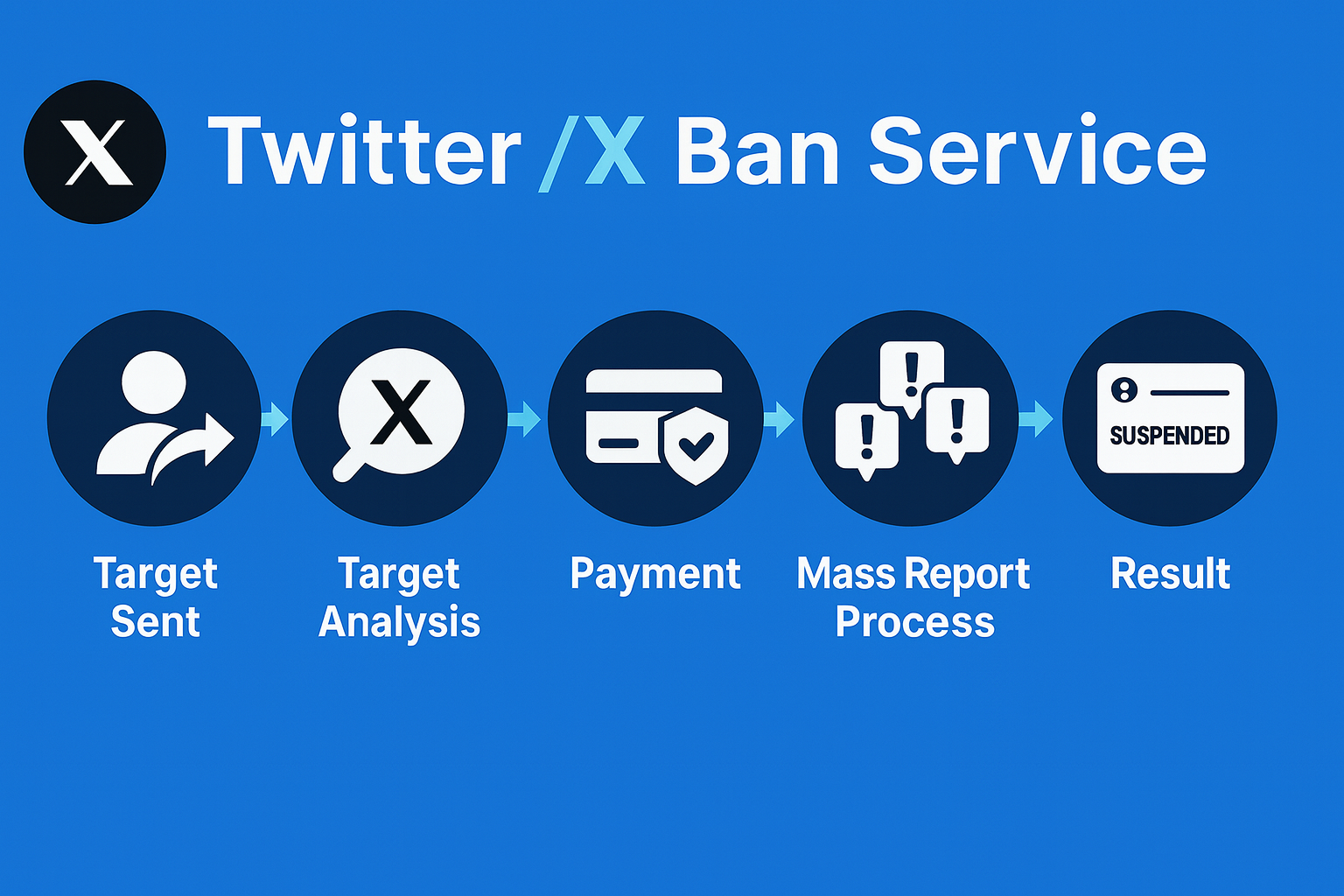
Professional enforcement services like Your Supplier Guy follow a systematic process that mirrors how X's own Trust and Safety team evaluates cases. The service begins with a free case assessment where an enforcement specialist reviews the target account, identifies all rule violations, and develops a multi-path reporting strategy tailored to the specific violation types involved.
The enforcement pipeline includes evidence compilation (screenshots, URLs, pattern analysis, timeline documentation), simultaneous multi-channel reporting (in-app reports, policy-specific forms, DMCA complaints, impersonation reports), active follow-up and escalation with X's moderation team, and post-enforcement monitoring to detect ban evasion through new accounts. Every case operates under NDA protection with a 72-hour refund guarantee if enforcement action is not achieved.
This approach achieves a 92% success rate across 214+ completed Twitter/X enforcement cases. The service covers all violation categories including harassment, impersonation, copyright infringement, privacy violations, fraud, and cross-platform abuse. Response time averages 24 to 48 hours from case initiation to enforcement action.
Advanced Reporting Tactics for Stubborn Accounts
Some accounts survive initial reports because the violations fall into gray areas or the account has not accumulated enough enforcement history. These advanced tactics increase pressure through legitimate channels.
Identify and Report Ban Evasion
Users who return after a previous suspension violate X's ban evasion policy. If you can link a new account to a previously banned user through similar usernames, identical content patterns, or matching follower networks, report the new account specifically for ban evasion. This category receives priority enforcement because X treats circumvention as a direct challenge to its moderation authority.
File Multi-Category Reports
A single account may violate multiple policies simultaneously. An impersonation account that also posts copyrighted content and harasses users should be reported under each category separately. Each report enters a different moderation queue, increasing the total review surface area and the probability that at least one team takes action.
Leverage DMCA and Trademark Channels
Copyright and trademark violations carry legal obligations that X cannot ignore. Under the DMCA, X must respond to valid takedown notices or face secondary liability. If the target account uses your images, logos, text, or brand identity, a DMCA complaint is the most powerful enforcement tool available. Your Supplier Guy's DMCA takedown service handles the entire filing process with a 48-hour response guarantee.
Coordinate with Affected Parties
If multiple people are being harassed or impersonated by the same account, coordinate independent reports from each victim. X's system weights reports from multiple unique, credible accounts more heavily than repeated reports from a single source. This is fundamentally different from mass reporting — each reporter provides their own evidence and perspective on how the account violates their rights.
Cross-Platform Enforcement Beyond Twitter
Harmful actors rarely operate on a single platform. An account engaging in harassment, impersonation, or fraud on Twitter/X often maintains mirror accounts across Instagram, TikTok, YouTube, Telegram, Discord, and Facebook. Cross-platform enforcement eliminates the threat comprehensively rather than pushing it to another network.
Your Supplier Guy provides enforcement services across 15+ platforms, enabling coordinated takedowns that address the full digital footprint of abusive accounts. Evidence from one platform strengthens the enforcement case on another — a Twitter impersonation report is substantially more credible when accompanied by evidence of the same actor operating on Instagram, TikTok, and Telegram.
Platform-specific enforcement guides are available for every major social network: Instagram ban enforcement, TikTok ban enforcement, Discord mass reporting, YouTube mass reporting, WhatsApp enforcement, Telegram mass report tools, LinkedIn ban services, and Instagram spam report automation. Cross-platform enforcement produces 2.4x higher permanent removal rates compared to single-platform campaigns.
Is It Legal to Report Someone on Twitter?
Reporting genuine violations of X's Rules is legal, explicitly encouraged by the platform, and protected by Section 230 of the Communications Decency Act. X's safety page states that user reports help the platform "take appropriate action" against accounts that violate community standards. Reporter identity is never disclosed to the reported user.
Filing false reports to silence someone without genuine policy violations, however, can violate X's Terms of Service and potentially constitute harassment under local laws. The distinction is straightforward: reports based on documented, genuine rule violations are legitimate enforcement; reports filed without evidence to harass or silence someone are abuse of the reporting system. Professional enforcement services focus exclusively on documented, evidence-based violations to ensure compliance with both X's policies and applicable laws.
For cases involving serious threats, stalking, extortion, or blackmail, law enforcement involvement may be necessary in addition to X's internal enforcement. X cooperates with law enforcement agencies through legal process requests and may preserve account data for active investigations.
Frequently Asked Questions About Getting Someone Banned on Twitter
How many reports does it take to get someone banned on Twitter?
There is no fixed number. X evaluates report validity, violation severity, and evidence quality rather than volume alone. A single well-documented report for a severe violation like child exploitation or direct threats can trigger immediate suspension, while hundreds of vague reports may be ignored. Professional enforcement services achieve 92% success rates by focusing on evidence quality over report count.
Can you get someone banned on X anonymously?
Yes. X never discloses the identity of the person submitting a report to the reported account. All reports are processed confidentially. Professional enforcement services add an additional layer of anonymity through NDA-protected case management — the client's identity is never associated with the enforcement action.
How long does it take for X to suspend an account after a report?
Suspension timelines range from minutes to weeks depending on violation severity. Zero-tolerance violations like child exploitation trigger immediate action. Harassment and impersonation cases typically take 24 to 72 hours. Complex cases involving defamation or coordinated abuse may take 1 to 2 weeks. Professional services compress these timelines through multi-path simultaneous reporting.
What happens after you report someone on Twitter?
X reviews the report against its Rules and policies. Possible outcomes include no action, a warning to the violator, content removal, temporary account lock, read-only mode, or permanent suspension. X may send you a notification confirming that action was taken, though it typically does not specify the exact enforcement measure applied.
Can a suspended Twitter account come back?
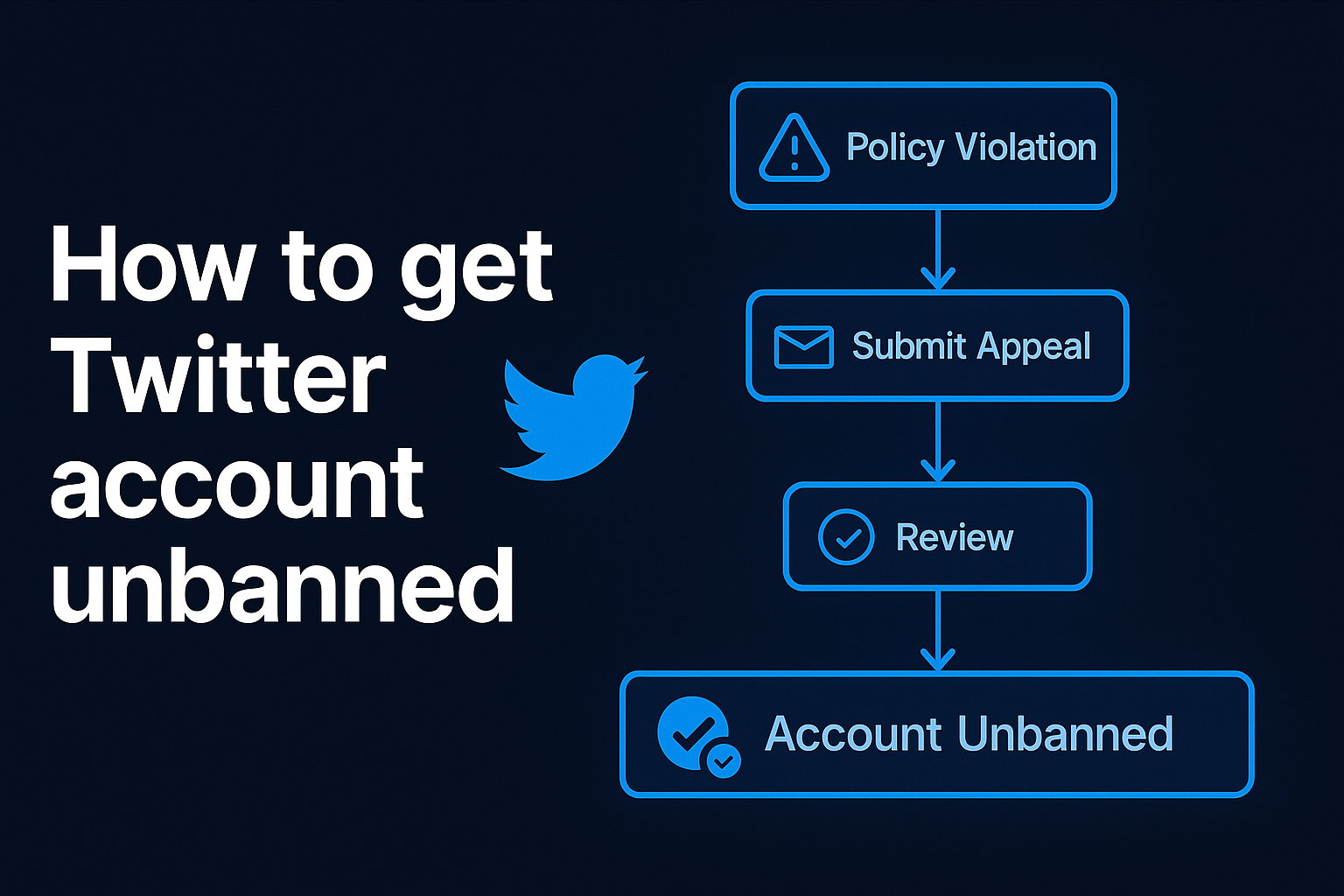
Users with temporary suspensions can return after the period expires. Permanently suspended users sometimes create new accounts, which constitutes ban evasion — itself a suspendable offense. If you spot a previously banned user operating under a new account, report it through X's ban evasion reporting channel with evidence linking the accounts.
Is it illegal to mass report someone on Twitter?
Mass reporting with legitimate, evidence-based complaints is not illegal. Coordinated false reporting to silence someone without cause may violate X's Terms of Service and potentially constitute harassment under local laws. Professional enforcement services use evidence-based reporting through official channels, not automated mass reporting tools.
What violations get you permanently banned on X?
Permanent bans result from child sexual exploitation, terrorism promotion, repeated severe harassment, ban evasion, platform manipulation, sharing non-consensual intimate images, and persistent violations after multiple warnings. X suspended 5.3 million accounts in the first half of 2024, with an additional 464 million spam account suspensions.
How to get someone banned on X for impersonation?
Submit an impersonation report through X's dedicated form at help.x.com/forms/impersonation. Include screenshots of the fake profile, your authentic profile for comparison, evidence of confusion or harm caused, and any misleading bio details. Impersonation cases receive priority enforcement within 24 to 48 hours.
Does blocking someone on Twitter report them?
No. Blocking prevents the blocked account from interacting with you but does not file a report or trigger any enforcement review. To initiate enforcement action, you must submit a separate report through the three-dot menu on the user's profile or through X's dedicated reporting forms.
Can a professional service help get someone banned on Twitter?
Yes. Professional enforcement services like Your Supplier Guy compile evidence dossiers, submit multi-path reports through official channels, file DMCA and trademark complaints, and follow up with escalation procedures. Professional cases achieve 92% success rates compared to approximately 30% for individual reports, with results delivered in 24 to 48 hours.
Getting Someone Banned on Twitter: What Works
Getting someone banned on Twitter requires evidence-based reporting through the right channels. X suspended 5.3 million accounts in the first half of 2024, confirming that the platform does enforce its rules when violations are properly documented. The most effective approach combines individual tweet reports, account-level reports, policy-specific complaint forms, and DMCA takedowns where applicable. For complex cases involving impersonation, coordinated harassment, or persistent abusers who survive initial reports, professional enforcement services achieve 92% success rates through systematic multi-path reporting with NDA protection and refund guarantees.